
About the Author
Hey, I'm Stefano, founder of Transparency Foods — and monk fruit is honestly one of my favorite topics to talk about. I've spent the past few years going pretty deep into this space: sourcing over 10,000kg of extracts, working directly with manufacturers, and building products that have since reached over 100,000 people. A lot of what I know came from things that didn't go as planned — and I'm genuinely excited to share it. I hope this guide saves you some of that trial and error.
Here's what we'll cover:
- What monk fruit is and what makes it special
- What monk fruit extracts are
- The different types of monk fruit extracts — so you can decide which is right for you
What Is Monk Fruit and What Makes It Special?
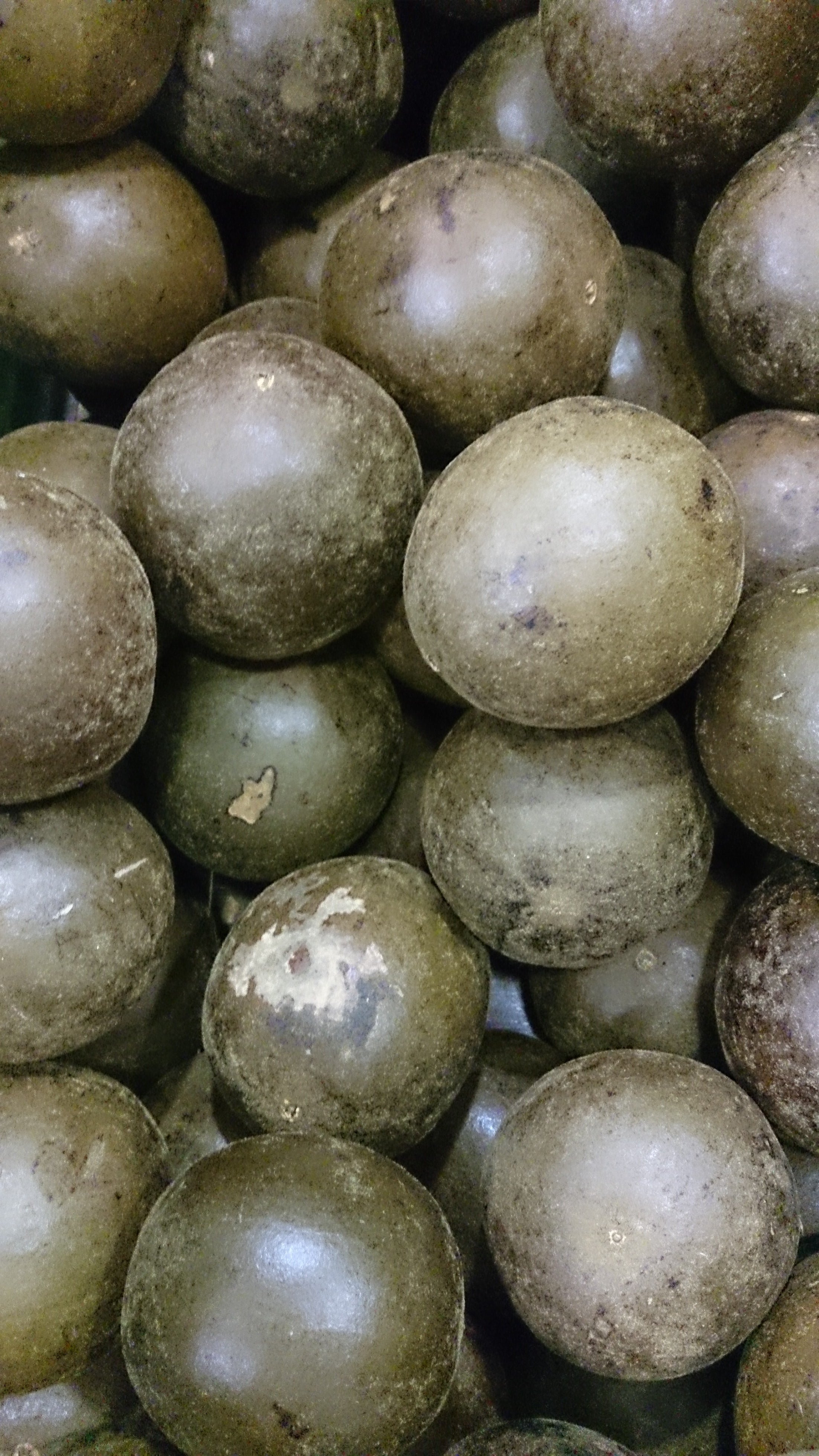
Monk fruit is a small melon that has been cultivated in Southern China for centuries. Like any fruit, it's sweet and contains sugar — but that's not what makes it special.
What sets monk fruit apart is that its sweetness doesn't come from sugar. It comes from natural antioxidants called mogrosides. Among these, one compound in particular — Mogroside V — is up to 250x sweeter than sugar.
That's an extreme level of sweetness, but it's not unusual in the sweetener world. The industry has relied on ultra-sweet compounds for decades:
- Sucralose: ~600x sweeter than sugar
- Aspartame: ~200x (used in Coca-Cola Zero)
- Advantame: ~20,000x
- Stevia (steviol glycosides): ~300x
- Monk Fruit (Mogroside V): ~250x
So why did monk fruit become popular when so many alternatives already existed?
Because monk fruit is 100% natural. Sucralose, aspartame, and advantame are all synthetic. Stevia is natural too, but it has a noticeable aftertaste that many people find off-putting. Monk fruit hit a rare combination:
- Natural origin
- Extremely sweet (up to 250x)
- Clean, pleasant taste
- FDA approved in 2010
That combination made it catch on quickly, and today you'll find monk fruit in the sweetener aisle of every major grocery store.
2 Main Types: Extracts and Blends
There are two broad categories of monk fruit sweeteners.
Extracts are a concentrated form of the fruit. They come in different Mogroside V concentrations and in either liquid or powder form. Blends are a combination of monk fruit extract with some type of filler — typically erythritol or allulose.
This guide focuses on extracts. Blends are a topic for another post.
What Are Monk Fruit Extracts?
Monk fruit extracts are made by literally extracting Mogroside V from the fruit. The Mogroside V concentration in the final product can range from as low as 2% to as high as 80%. The higher the concentration, the sweeter the extract.
Best uses for extracts: Extracts are ideal for replacing the sweetness of sugar — but not the texture. They work great in coffee, tea, smoothies, cereal, pancakes, yogurt, salad dressings, cocktails, and many baking recipes.
If you need to replace the texture of sugar as well (as is often the case in baking), extracts alone won't do the job. A monk fruit blend would be the better choice for that. But for pure sweetness, extracts excel.
Types of Monk Fruit Extracts
There are two main forms: liquid and powder. Let's break down each one.
Liquid Extracts
Liquid monk fruit extract is the concentrated juice of the fruit — nothing else. The fruit is pressed, the juice is extracted, and it's filtered multiple times to remove impurities.
It can be produced at different Mogroside V concentrations, but it's most commonly sold at around 3.5% — a level that works well in practice. At that concentration, it's roughly 15x–20x sweeter than sugar, and it has a natural, clean taste. Because it contains the fruit's natural sugars, it's also self-preserving to a degree.
Liquid extracts are highly convenient, especially in drinks, since they dissolve instantly.
Example: This is the one we sell (Monk Fruit Drops). We also sell smaller bottles (link).

A note on product stability: Our liquid extract is shelf-stable on its own — it has the right pH and water activity to sit on the shelf for 2 years without issue. However, it's technically vulnerable to certain yeasts and molds if they're introduced during bottling or regular use. That's why we used to recommend refrigeration after opening.
We've since added a natural preservative system (derived from oregano, flaxseed, and fruit) along with citric acid — less than 2% total — so refrigeration is no longer necessary. We ran both a preservative effectiveness test and a shelf-stability test to confirm this, and both passed.
A question we hear often: "But Stefano, some products on the market claim to have no preservatives — how is that possible?" The answer: they're either accepting that risk on your behalf, or they're irradiating the product without disclosing it. We believe a clean, transparent preservative system is the better choice.
One more thing worth noting: some liquid monk fruit products on the market are made by combining powder extract, water, and preservatives. Even though they're marketed as extracts, they're more accurately described as liquid blends. Keep that in mind when reading labels.
Powder Extracts
Powder monk fruit extracts come in a range of Mogroside V concentrations, from 2% up to 80%. Higher concentration means sweeter, cleaner-tasting, and easier to dissolve — but also more expensive. Here's how the main tiers compare:
7–10% Mogroside V
This is the most affordable tier. It has a noticeable monk fruit taste and doesn't dissolve as easily, but it's still quite sweet — roughly 25x sweeter than sugar — without being so intense that it's difficult to measure.
One important thing to be aware of: this concentration requires a carrier to convert the liquid extract into a stable powder. The industry standard is maltodextrin, sometimes at concentrations up to 30%. The problem is that brands selling this type of extract often don't disclose the use of maltodextrin on the label, even when it's present.
How do I know? I bought all of them and tested for starches. They all tested positive.
This doesn't necessarily make the product bad — you're using such a small amount that the maltodextrin content is minimal in practice. But you deserve to know it's there. For our version of this product, we cap the maltodextrin concentration at no more than 10% and ensure it's Non-GMO.
This is the one we sell (link):

25% Mogroside V
This tier has less of a monk fruit flavor, dissolves more easily, and is about 90x sweeter than sugar. Importantly, it requires no carrier — no maltodextrin. It looks similar to the 7–10% version on the shelf, so read product descriptions carefully when ordering.
This is the one we sell (link):

50% Mogroside V
This is a highly pure extract — very clean taste, no carriers, and dissolves easily. It's over 150x sweeter than sugar, which is excellent for applications where precision matters.
The tradeoff: because it's so potent, it can be inconvenient for everyday home use. You need such a tiny amount that it's easy to add too much. It's also significantly more expensive. For these reasons, this concentration is most commonly used in food and beverage manufacturing.
Example:

Over 50% Mogroside V
Extracts above 50% MV exist — I've personally been offered products up to 80% — but these are exclusively used as ingredients in manufacturing and aren't practical for consumer use.
Conclusion
Monk fruit extracts are the cleanest, most natural way to add sweetness without the calories. Use them in drinks, cereals, sauces, pancakes, yogurt — anywhere you want sweetness without texture.
When choosing between liquid and powder, consider:
- Liquid extracts are the most convenient for everyday use, especially in beverages, with a natural taste and instant dissolve.
- Powder extracts at 7–10% MV are affordable but likely contain maltodextrin — look for brands that are upfront about it.
- Powder extracts at 25% MV are a clean middle ground: no carrier, great sweetness, easy to use.
- Powder extracts at 50%+ MV are best suited for manufacturing or highly precise applications.
If you want to replace both the sweetness and the texture of sugar, you'll want a monk fruit blend — that's a different product and a topic for a future post.
Share:
Transition Into Using Monk Fruit Drops (Effortlessly)
What Is a Preservative Effectiveness Test (PET)?