
Lusy for Clinicians
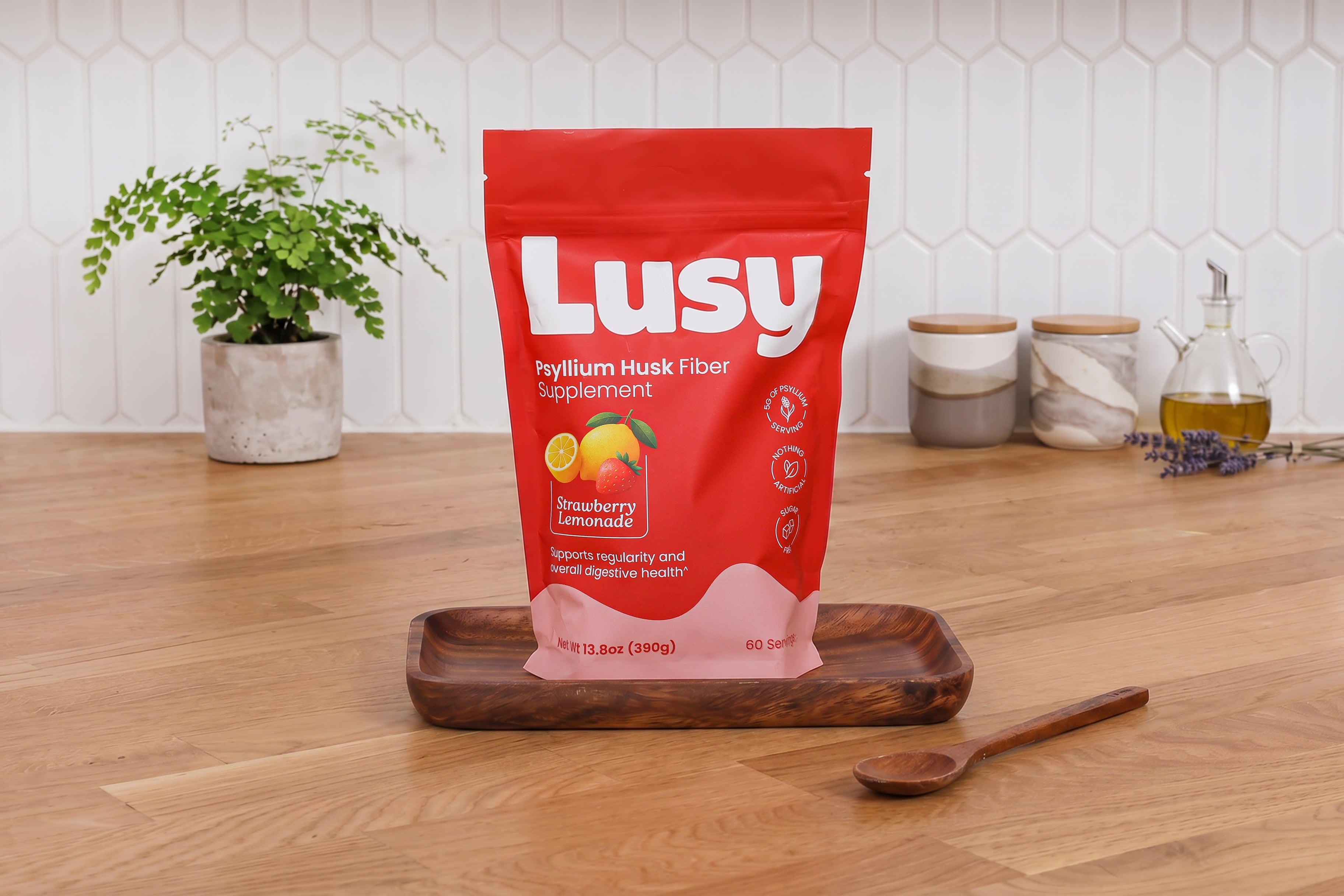
Lusy is a psyllium husk fiber supplement made by Transparency Foods. The active ingredient is organic psyllium husk powder (Plantago ovata) — the same fiber that has been used clinically for over 90 years and studied in hundreds of randomized controlled trials. Lusy is formulated as a drink mix powder and is designed to deliver a clinically effective daily dose in a format that is easy to take consistently.
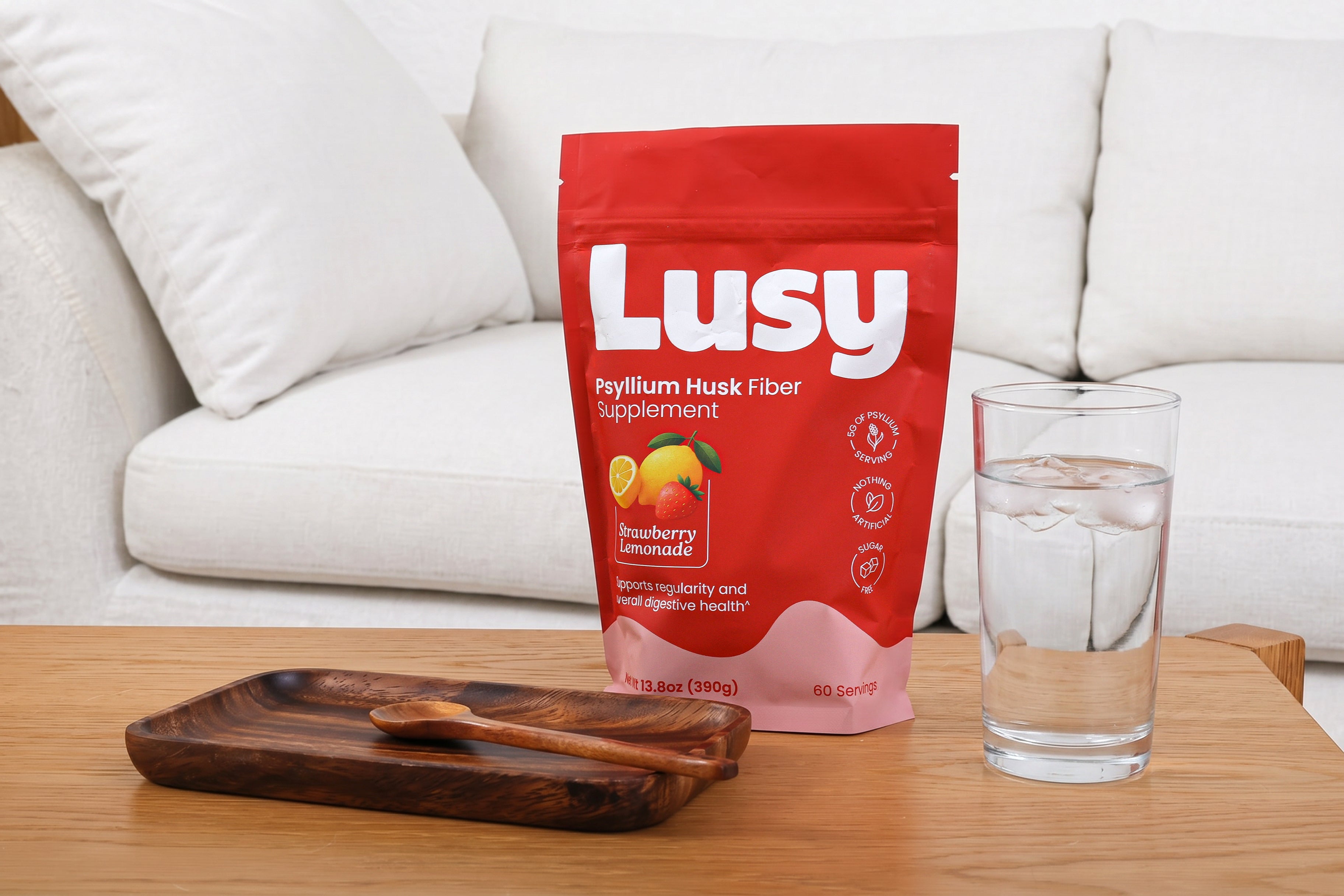
Request Samples
Samples are available to registered Diabetes Educators, Family Practice/Primary Care Physicians, Gastroenterologists, and Pharmacists only.

Patient Resources
Educational materials to help you support patient education and improve adherence.
Clinical Studies
The active ingredient in Lusy, Psyllium husk, is one of the most thoroughly researched dietary fiber supplements available. See key clinical evidence for each major benefit area.

FAQ
Answers to the most frequently asked questions by clinicians in regards to Lusy and psyllium husk.
Benefits of Lusy^
The active ingredient in Lusy, Psyllium husk, is one of the most thoroughly researched dietary fiber supplements available. It is the only fiber ingredient to hold an FDA-authorized health claim for cardiovascular disease, and its effects on digestive, metabolic, and cardiovascular health are supported by hundreds of randomized controlled trials and multiple systematic reviews.
Below is a summary of the key clinical evidence across each major benefit area. Each 2-teaspoon serving of Lusy delivers 10 g of psyllium husk — the dose used in the majority of trials demonstrating benefits.
Digestive Regularity and Constipation Relief
Psyllium husk is listed as a first-line intervention for chronic constipation in multiple clinical practice guidelines. The gel softens stool by drawing in water, while the insoluble fraction adds bulk and accelerates transit. Uniquely among fiber supplements, psyllium normalizes stool consistency in both directions: it relieves constipation and firms loose stool.
Key evidence:
- A 2022 meta-analysis published in the American Journal of Clinical Nutrition reviewed 16 clinical trials involving 1,251 adults with chronic constipation. Fiber supplementation produced a clinically meaningful response in 66% of patients vs. 41% in the placebo group. Psyllium was identified as one of the most effective fibers for this outcome.
Note: Unlike stimulant laxatives, psyllium does not create dependence and is appropriate for long-term daily use.
Blood Sugar Control
Psyllium Husk's gel physically slows the absorption of glucose in the small intestine, blunting the post-meal blood sugar spike. This effect is relevant across the glycemic spectrum, from healthy individuals to those with type 2 diabetes.
Key evidence:
A 2024 systematic review and meta-analysis of 19 randomized controlled trials found that psyllium supplementation significantly improved glycemic markers:
- Fasting blood glucose: –7 mg/dL
- HbA1c: –0.75 percentage points
- HOMA-IR: significant improvement in insulin sensitivity
Benefits were most pronounced at doses of ≥10 g/day and with supplementation lasting ≥10 weeks — both thresholds met by consistent daily use of one one serving of Lusy twice a day.
Note: For blood sugar management, Lusy is most effective when taken 15–20 minutes before a meal. This allows the gel to form before digestion begins, resulting in a much lower blood sugar spike.
LDL Cholesterol Reduction
Psyllium's gel binds bile acids in the small intestine, preventing their reabsorption. The liver must draw LDL cholesterol from circulation to synthesize new bile acids, resulting in a dose-dependent, measurable reduction in circulating LDL.
Key evidence:
A meta-analysis by Jovanovski et al. (2018), published in the American Journal of Clinical Nutrition, pooled data from 28 randomized controlled trials involving approximately 1,900 subjects. At a median dose of ~10 g/day, psyllium supplementation reduced:
- LDL cholesterol: –13 mg/dL
- Non-HDL cholesterol: significant reduction
- Apolipoprotein B: significant reduction
The LDL-lowering effect has been shown to be additive to statin therapy in trials where statins were used concurrently.
FDA Health Claim (1998): The FDA has authorized a health claim for psyllium husk and cardiovascular disease — one of only a small number of dietary ingredients to ever receive this designation. The claim reads:
*"Diets low in saturated fat and cholesterol that include 7 grams of soluble fiber per day from psyllium seed husk may reduce the risk of heart disease."*
Two servings of Lusy (2 rounded teaspoons) provide exactly 7 g of soluble fiber from psyllium husk — meeting the full daily threshold specified in this claim.
Appetite Control
Psyllium slows gastric emptying, prolonging post-meal satiety and reducing inter-meal hunger. This effect is entirely mechanical and is most pronounced when psyllium is taken before eating.
Key evidence:
- Two randomized, double-blind, placebo-controlled crossover trials by Brum et al. (2016) evaluated psyllium at doses of 3.4 g, 6.8 g, and 10.2 g taken before meals. Psyllium significantly reduced hunger and desire to eat while increasing feelings of fullness. The most consistent and reproducible effect was observed at the 6.8 g dose, replicated across both trials.
Clinical note: The recommended protocol is one serving taken 15–20 minutes before the largest meal of the day. This will also allow for the highest blood sugar control benefits.
IBS Management
Psyllium is one of the few fiber supplements recommended across both major subtypes of IBS — IBS-C (constipation-predominant) and IBS-D (diarrhea-predominant) — and is classified as a first-line intervention in multiple clinical guidelines for IBS management.
Key evidence:
A randomized controlled trial published in the British Medical Journal (2009) found that 10 g/day of psyllium significantly reduced IBS symptom severity compared to both placebo and wheat bran. Improvement was most pronounced in IBS-C, with clinically meaningful benefit also observed in IBS-D patients.
Clinical note: Psyllium is better tolerated in IBS patients than high-fermentability fibers such as inulin and FOS, because its limited colonic fermentation produces less gas. This is a practically important distinction for a patient population that is often sensitive to GI symptoms.
Gut Microbiome Support
While the primary benefits of psyllium are mechanical and metabolic, it also has a modest prebiotic effect.
A portion of psyllium reaches the colon largely intact, where it undergoes partial fermentation by gut bacteria, producing short-chain fatty acids (butyrate, acetate, propionate) that support the intestinal epithelium, reduce local inflammation, and feed beneficial bacterial populations including Bifidobacterium and Lactobacillus.
Clinical note: The partial — rather than complete — fermentability of psyllium is also what makes it significantly better tolerated than dedicated prebiotic fibers in patients with sensitive GI tracts.
If gut microbiome support is a primary therapeutic objective, psyllium can be used alongside a dedicated prebiotic fiber supplement (e.g., inulin, FOS, or wheat dextrin).
Patient Resources
The following resources are available to help you support patient education and improve adherence. Everything is written to be accessible to general audiences while remaining scientifically accurate.
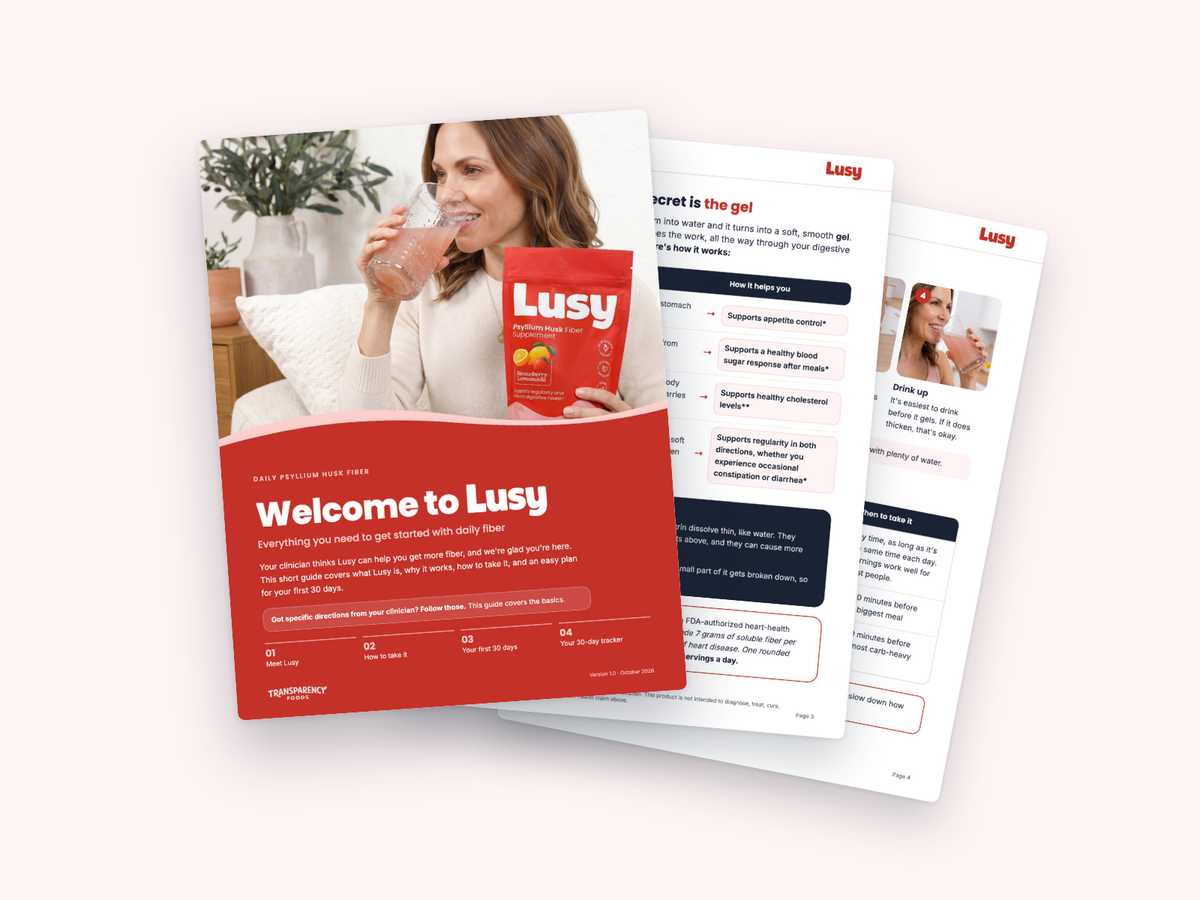
Patient Welcome Guide
A 7-page guide to share with patients. It explains what Lusy is, why it works, and how to take it. It also includes a 30-day start plan, safety information, and a tracker.
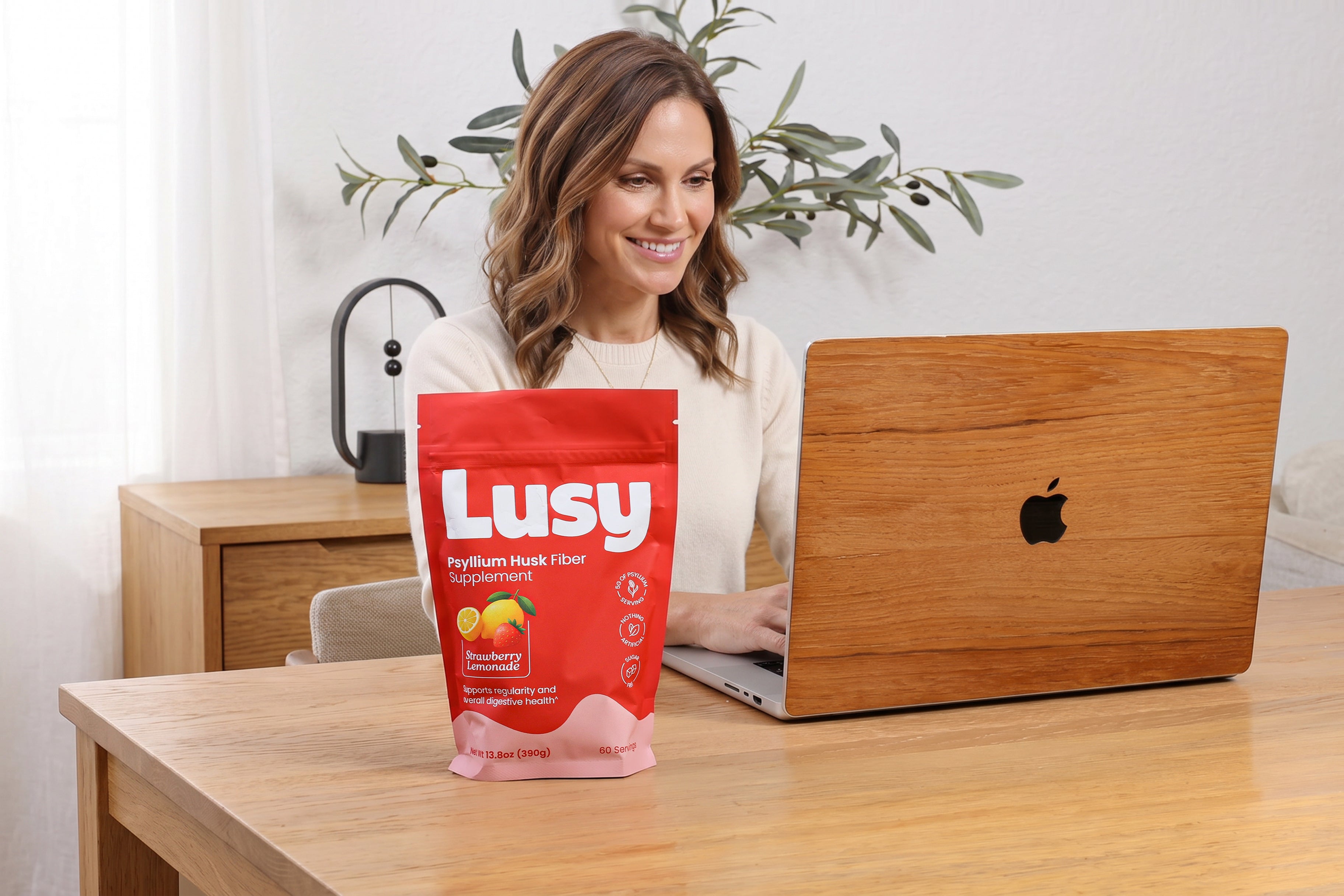
Consumer Website
Our consumer website allows patients to easily learn about the product, see it in action, and make a purchase.

Educational Resources
Blog posts, videos, and other educational resources on Lusy, psyllium husk, and fiber.
FAQ
Answers to frequently asked questions: "How, when, and why to use?", "Side effects and precautions?", "How does it taste?", "How is it made?", and others...
FAQs by Clinicians
What is Lusy?
Lusy is a psyllium husk fiber supplement made by Transparency Foods. The active ingredient is organic psyllium husk powder (Plantago ovata) — the same fiber that has been used clinically for over 90 years and studied in hundreds of randomized controlled trials. Lusy is formulated as a drink mix powder and is designed to deliver a clinically effective daily dose in a format that is easy to take consistently.
How much Lusy should patients take?
We recommend 2 rounded teaspoons of Lusy per day (10 g of psyllium husk), which aligns with the dose used in the majority of clinical trials demonstrating psyllium husk’s metabolic and cardiovascular benefits. This provides 9 g of dietary fiber and 7 g of soluble fiber.
For people new to fiber supplementation or who have sensitive GI tracts, we recommend to begin with 1 teaspoon per day (5 g psyllium) for 3 days before titrating to the full dose.
The dose can be taken in a single serving or split across the day.
When should patients take Lusy?
Timing depends on the goal.
- Blood sugar management and appetite control: 15–20 minutes before the most carbohydrate-dense meal of the day. This allows the gel to form before food is consumed, maximizing the effect on glucose absorption and satiety.
- Digestive regularity and general fiber intake: Any consistent time of day. Morning is often easiest as a habit anchor.
Consistency of timing within the day matters less than consistency of daily use overall.
Are there drug interactions I should be aware of?
Yes. Psyllium's gel can slow the absorption of medications taken at the same time. Patients should take Lusy at least 1–2 hours before or after any prescription medication.
How long until patients see results?
The following timelines are estimates based on psyllium husk's clinical data, and as you can see, it changes depending on the expected result:
- Digestive regularity: Most people notice improvement within 1–3 days of consistent use.
- Satiety and appetite: Noticeable within the first few uses when taken before a meal
- Blood sugar control: Post-meal glucose blunting begins with the first dose; HbA1c improvement at ≥10 weeks of consistent use
- LDL cholesterol reduction: Measurable reductions at 4–8 weeks; effect continues to accrue with ongoing use
Why might patients experience bloating when starting Lusy?
Psyllium is partially fermented in the colon. As gut bacteria adapt to an increased fiber load, some gas production is expected during the first 1–2 weeks. This is transient and resolves as the microbiome adjusts.
For those that are sensitive, we recommend to:
- Start at 1 teaspoon per day and titrate up over 1–2 weeks
- Stay well-hydrated throughout the day
- Expect the adjustment period to resolve on its own
Psyllium causes significantly less bloating than fully fermentable fibers (inulin, FOS, wheat dextrin) because only a small fraction of psyllium actually ferments. People who have previously had poor tolerance of other fiber supplements often find Lusy considerably more comfortable.
Does Lusy carry an FDA-authorized health claim?
Yes. Lusy carries the FDA-authorized health claim for psyllium husk and cardiovascular disease, authorized in 1998. The claim states:
*"Diets low in saturated fat and cholesterol that include 7 grams of soluble fiber per day from psyllium seed husk may reduce the risk of heart disease."*
Each 2-teaspoon serving of Lusy provides 7 g of soluble fiber from psyllium husk, meeting the full daily amount specified in this claim in a full serving.
How does Lusy compare to Metamucil, which many of my patients may already be using?
Both products use psyllium husk as the active ingredient, and both are appropriate for the same indications.
Patients switching from Metamucil to Lusy are making a like-for-like substitution in terms of the active ingredient (Psyllium Husk). The clinical evidence base is the same. The primary differences are formulation quality and ingredient profile:
- Lusy uses premium, organic psyllium husk.
- Lusy doesn't use artificial sweeteners, flavors, or colors.
- Lusy doesn't add maltodextrin to aid with mixability because it uses a higher quality psyllium that makes it unnecessary to do so.
- Lusy tastes incredible, making adherence more likely.
What are the instructions patients should follow when preparing Lusy?
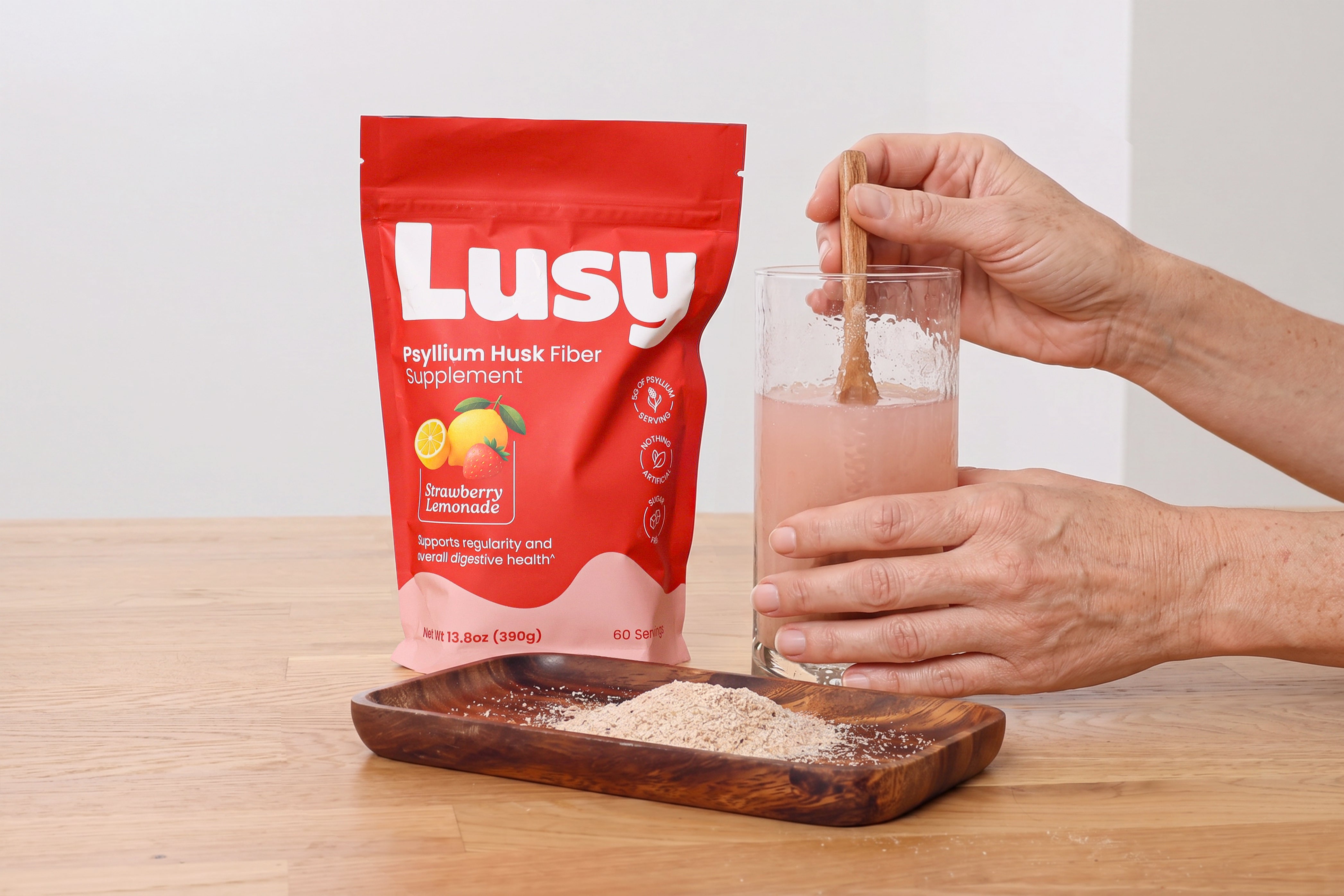
- Add 1–2 rounded teaspoons to at least 8 oz (240 mL) of cold water.
- Stir well.
- Drink immediately — psyllium begins gelling within 1–2 minutes.
- Do not let it sit and do not use hot liquids (heat accelerates gelling).
- Drink a full glass of water afterward if desired.
Lusy can also be mixed into a cold smoothie or juice. The powder dissolves cleanly and the Strawberry Lemonade flavor is compatible with most fruit-based drinks.
How is Lusy tested for quality and safety?
Every ingredient in Lusy must come with its own Certificate of Analysis before it can be used in production. The then make Lusy and test it again before release:
- The organic psyllium husk (Plantago ovata) is identity-confirmed by USP <197> at 5 g per rounded teaspoon, which is the minimum clinical effective dose used in most trials supporting psyllium husk's benefits.
- Microbiological testing covers total aerobic count, yeast and mold, E. coli, and Salmonella using USP methods.
- Weight, solubility, density, and pH are also checked against specification.
Testing is performed in an ISO/IEC 17025–accredited laboratory. You can view the latest Certificate of Analysis (COA) here.
^These statements have not been evaluated by the Food and Drug Administration. This product is not intended to diagnose, treat, cure, or prevent any disease.
**Diets low in saturated fat and cholesterol that include 7 grams of soluble fiber per day from psyllium husk, as in Lusy, may reduce the risk of heart disease by lowering cholesterol. One rounded teaspoon of Lusy has 3.5 g of this soluble fiber.
